Madison best Roofing Company for Residential and Commercial Roofing
Madison best Roofing Company for Residential and Commercial Roofing
Blog Article
Professional Roofing Company for Your Home's Protection and Style
Selecting a trusted roofing contractor is critical for protecting a home's structural integrity and enhancing its curb appeal. Homeowners confront numerous choices, and the suitable contractor can make all the difference the result. High-quality components and skilled craftsmanship are essential for strength and protection against unforeseen damage. Knowing what to look for in a contractor can produce superior outcomes. However, several factors can interfere with this process, driving further analysis into the qualities that define a trustworthy roofing partner.
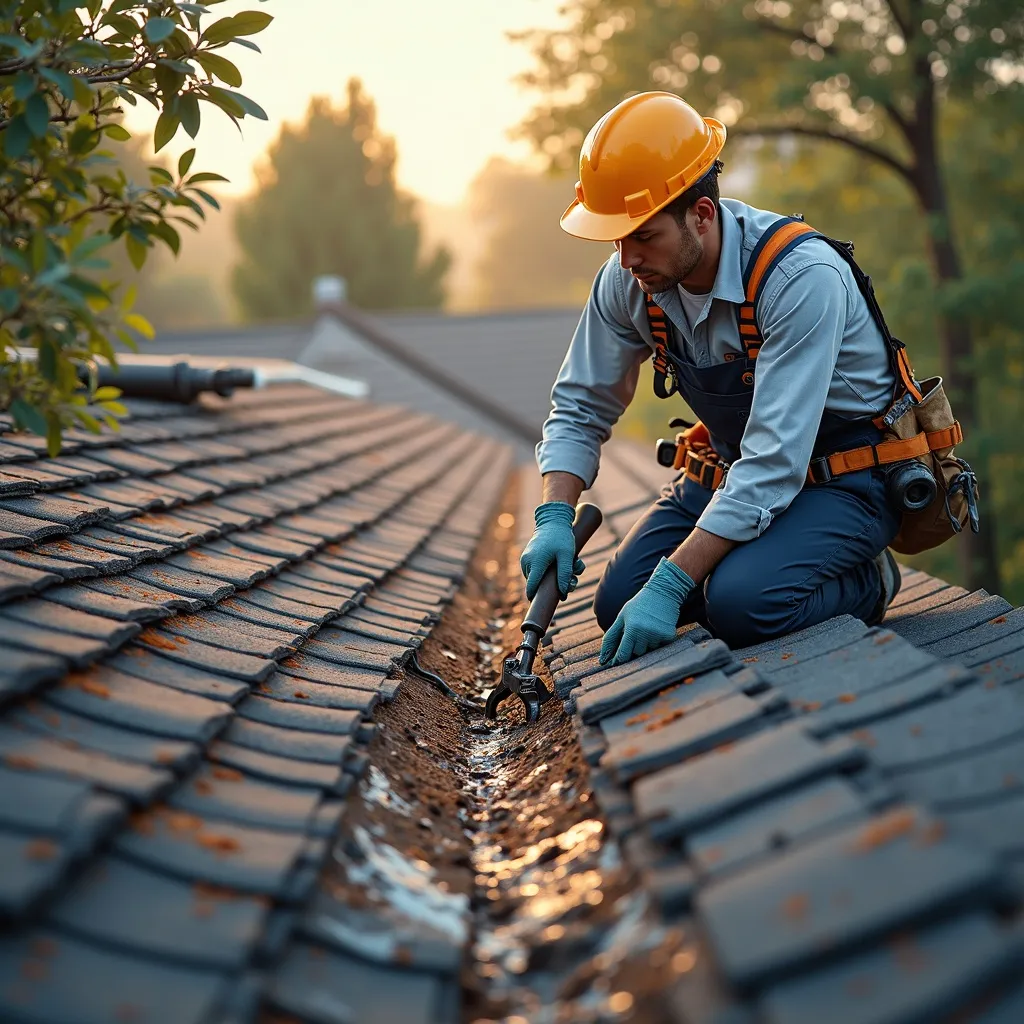
Why Choosing the Right Roofing Company Is Important
Choosing the right roofing company can significantly affect a homeowner's extended safety and investment. A well-chosen contractor not only ensures quality workmanship but also provides peace of mind through dependable service. It is critical for homeowners to recognize that the roof serves as the primary defense against environmental elements, which makes correct setup and upkeep critical. Subpar work can lead to issues such as leaks, structural damage, and higher maintenance expenses over time. Additionally, a reputable roofing company often employs high-quality materials, which can improve the longevity of the roof. Homeowners should also consider the importance of warranties and customer support when making their choice. In a market full of options, understanding the significance of selecting a trustworthy roofing partner can safeguard both the home and the homeowner's investment, ultimately contributing to a secure and durable living environment.
Key Attributes of a Trustworthy Roofing Contractor
When looking for a reliable roofing contractor, homeowners should consider several key qualities that signify professionalism and trustworthiness. First, a good reputation within the community is vital; positive reviews and testimonials often represent a contractor's commitment to excellent workmanship. Second, proper licensing and insurance are important, ensuring that the contractor complies with local regulations and safeguards homeowners from potential liabilities. Third, experience in the industry can prove a contractor's ability to manage multiple roofing challenges successfully. Additionally, clear communication is crucial; a trustworthy contractor should provide detailed estimates and be responsive to questions. Finally, a focus on high-quality materials and craftsmanship is necessary for long-term durability. By evaluating these qualities, homeowners can make well-informed decisions, ensuring their roofing project is completed to their satisfaction and with lasting results.
What Points Do You Need to Ask With Your Roofing Contractor?
When evaluating a roofing contractor, it is paramount to ask specific questions to assess their qualifications and reliability. Questions about their experience, warranties, and material choices can supply valuable insights into their capabilities. This discussion will outline key questions that ensure a well-informed choice for homeowners.
Experience and Expertise
Experience and qualifications serve as critical factors in picking a roofing contractor. Homeowners ought to ask for the contractor's years in the business, since extensive experience often correlates with a deeper understanding of various roofing systems and challenges. It's additionally important to verify the contractor's licensing and insurance status, ensuring adherence to local regulations and protection against potential liabilities. Seeking references and examining past projects can provide a look at the contractor's workmanship and reliability. Moreover, homeowners should review certifications from manufacturers, signifying expert training and knowledge. A qualified contractor will easily furnish documentation of their credentials, showcasing their commitment to quality and professionalism. Thorough vetting guarantees a dependable partner for any roofing project, protecting both the home and investment.
Warranty and Coverage
A comprehensive warranty and guarantee plan is crucial for homeowners selecting a roofing contractor. This aspect serves as a safety net, ensuring that any issues occurring post-installation will be resolved without additional costs. Homeowners should ask about the length of the warranty and what it explicitly includes, encompassing labor and materials. It is also vital to ask whether the coverage is movable, which can add value if the home is transferred. Furthermore, property owners should verify if the service provider offers a satisfaction guarantee, delivering assurance of the quality of labor. Participating in this dialogue not only explains requirements but also reinforces the contractor's commitment to excellence and responsibility in their work.
Materials and Solutions
Choosing the appropriate options for your roof is crucial for both durability and aesthetics. Property owners should consider multiple options, such as asphalt shingles, metal roofing, wood shakes, and tile, each providing unique benefits. When working with a roofing contractor, vital inquiries arise: What materials do they recommend for the local climate? How do the prices compare? What is the expected lifespan of each choice? Furthermore, homeowners should inquire about the environmental impact and energy efficiency of the materials. Comprehending the pros and cons of each type can guide homeowners in making informed decisions that match their aesthetic choices and budget. Ultimately, selecting the right roof covering will enhance the property's safety while adding to its overall visual appeal.
Contrasting Roof Options: Merits, Cons, and Superior Applications
When evaluating roofing options, homeowners often weigh the advantages of asphalt shingles against the benefits of metal roofing. Asphalt shingles are favored for their affordability and ease of installation, while metal roofing provides longevity and energy efficiency. Understanding the strengths and weaknesses of each material can help homeowners create informed decisions tailored to their particular needs and environments.
Asphalt Shingles Guide
Asphalt shingles stand out as one of the most widely used roofing materials in residential construction. Known for their affordability and ease of installation, they appeal to homeowners seeking cost-effective solutions. Available in a variety of colors and styles, asphalt shingles enhance the aesthetic appeal of many homes. Their durability against weather elements is notable, with a lifespan typically between 15 to 30 years. However, they may be less effective in extreme weather conditions, such as high winds or heavy snowfall. Additionally, while they offer decent insulation, they are not as energy-efficient as some other materials. Overall, asphalt shingles remain a reliable choice for homeowners prioritizing budget, style, and sufficient protection for their residences.
Metal Roofing Advantages
Metal roofing gives a variety of upsides that can greatly assist homeowners pursuing strength and extended lifespan. This roofing material is recognized for its remarkable resistance to difficult weather conditions, including high winds, hail, and heavy snow. Moreover, metal roofs have a lifespan of 40 to 70 years, considerably outlasting time-tested materials like asphalt shingles. They are also energy-efficient, bouncing back solar radiant heat and minimizing cooling costs in warmer months. Metal roofing is low-maintenance, requiring minimal upkeep compared to other options. Furthermore, it is green-minded, often made from recycled materials and fully recyclable at the end of its life. For homeowners valuing both safeguarding and visual charm, metal roofing is a superior choice.
Reviewing Client Feedback: What to Seek Out
How can potential buyers determine the standard of a roofing company by reviewing reviews? Customer reviews act as a valuable tool for evaluating a roofing company's trustworthiness and workmanship. Prospective customers should look for trends in comments, such as consistent praise for timeliness, material quality, and construction standards. Negative feedback can offer understanding into potential concerns, most importantly if numerous customers describe comparable issues.
In addition, the responsiveness of the enterprise to testimonials—both positive and negative—can showcase their priority regarding service excellence. Clients should likewise consider the overall rating and the review count, as a solid rating together with multiple testimonials usually points to a trustworthy business. To summarize, detailed feedback about the installation work, including timelines and dialogue, can supply a clearer picture of what customers face. Evaluating these points empowers prospective buyers decide thoughtfully when selecting a roofing company.
Why Warranties and Post-Purchase Support Matter
When opting for a roofing company, grasping the importance of protections and after-service can greatly determine a homeowner's decision. Warranties function as a barrier from unforeseen issues or setbacks, ensuring that the outlay in a new roof is defended. A reputable company regularly offers expansive warranties that cover materials and workmanship, providing peace of mind.
After-service is just as crucial, as it reflects a company's commitment to client contentment. Dependable after-service ensures that homeowners have access to support for upkeep and fixes, building a long-term partnership. This can encompass routine check-ups or quick replies to any issues that arise post-installation.
Essentially, warranties and after-service are indicators of a company's reliability and commitment to quality. Homeowners need to prioritize these considerations to make certain their roofing project not only meets aesthetic standards but also persists through the years. Investing in a dependable roofing company finally shields one's home and financial assets.
Often Raised Questions
How long Does a Standard Roofing Job Take to Finish?
A typical roof undertaking usually takes approximately one to three weeks to complete. Factors shaping the timespan include the work's size, weather conditions, and the complexity of the roofing system being installed or repaired.
Which Types of Roof Materials Offer the Greatest Energy Saving Advantages?
Metal, slate, and clay tiles are among the most energy-saving roofing materials. These options reflect sunlight, reduce heat absorption, and contribute to lower energy costs, making them ideal selections for improving home energy efficiency.
What payment alternatives are available for roofing services?
A number of roofing companies provide payment solutions, including payment discover details on plans and credit options, to assist homeowners in managing costs. These options can render it easier to afford required roofing services while improving overall budget flexibility.
What's the Best Way to look after My Roof Post-Installation?
Preserving a roof following placement calls for frequent inspections, timely repairs, and consistent cleaning. Removing buildup, examining for water intrusion, and maintaining proper drainage can markedly lengthen the roof's longevity and function.
What should I take action if I notice a leak following fixes?
When a leak is noticed subsequent to work completed, reach out to the roofing contractor immediately to analyze the situation. Record the leak's location and seriousness, ensuring that all communications and findings are thoroughly recorded for reference.
Report this page